



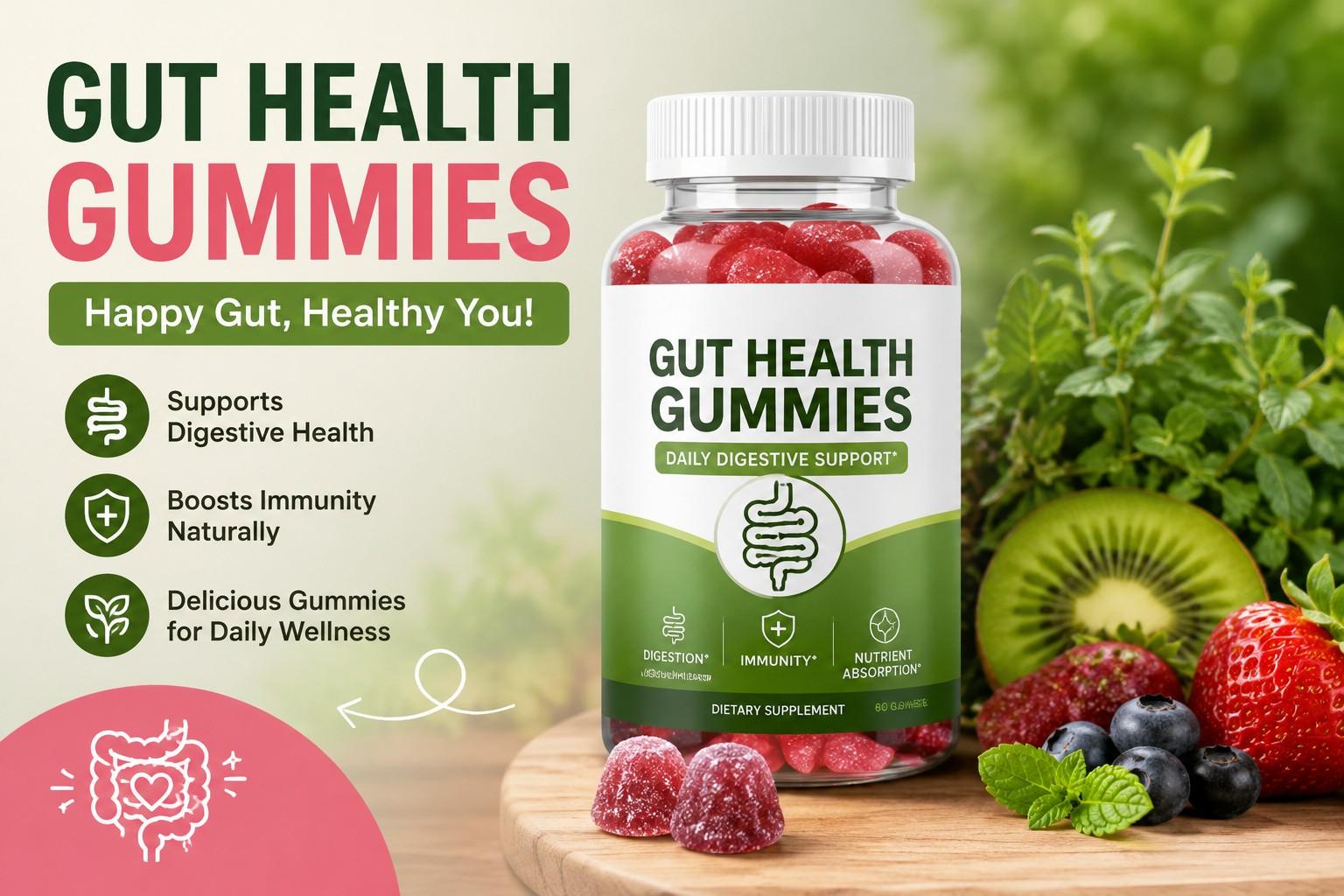
Gut Health Gummies
Gut health gummies are a convenient option for people who want to support their digestive health while enjoying an easy-to-take supplement. These chewable supplements may contain probiotics, prebiotics, fiber, vitamins, or other ingredients designed to support a healthy gut. However, because formulas vary widely, it is important to understand the ingredients, potential benefits, and safety considerations before choosing a product.
Gut health gummies have become a popular option for people who want to add probiotics, prebiotics, or other digestive-support ingredients to their daily routine. Unlike traditional capsules, gummies are chewable and often easier to take consistently. However, not every product provides the same ingredients, strains, amounts, or benefits.
Therefore, it is worth understanding what you are actually buying before adding a gummy supplement to your routine. Probiotics are live microorganisms that may provide health benefits, but researchers emphasize that different strains can have different effects, and evidence does not support every marketing claim made for probiotic products.
What Are Gut Health Gummies?
Gut health gummies are chewable dietary supplements designed to provide ingredients associated with digestive or microbiome support. Depending on the formula, they may contain probiotics, prebiotics, fiber, digestive-support ingredients, vitamins, or combinations of these.
Most probiotic formulas use microorganisms from groups such as Lactobacillus and Bifidobacterium. However, simply seeing the word “probiotic” on a label does not guarantee that a product will produce a particular result. Different strains can behave differently in the body.
Furthermore, some products marketed for gut health contain prebiotic ingredients rather than probiotics. The distinction is important because prebiotics and probiotics serve different roles.
Probiotics vs. Prebiotics
Probiotics are live microorganisms intended to provide health benefits when consumed. In contrast, prebiotics are nondigestible food components that can support the growth or activity of beneficial microorganisms already present in the gut. Products combining both are sometimes called synbiotics.
Consequently, shoppers should check the Supplement Facts panel instead of relying only on the front of the package.
Potential Benefits of Gut Health Gummies
The potential benefits depend heavily on the ingredients and strains used. In addition, individual responses can vary.
1. Digestive Support
The microorganisms living in the digestive tract play important roles in digestion, nutrient processing, immune function, and maintaining the gut environment. A balanced gut microbiome is therefore an important part of overall health.
Some probiotic products have been studied for specific digestive concerns. For example, research has found evidence that certain probiotics may help reduce the risk of antibiotic-associated diarrhea. However, researchers still do not know which probiotic is best for every person or condition.
2. Support for Regularity
Some probiotics have been investigated for constipation and bowel regularity. Evidence suggests that certain strains, including some Bifidobacterium varieties, may provide benefits in particular situations. Nevertheless, results differ between studies and products.
For that reason, a gummy should not be viewed as a guaranteed solution for constipation or other persistent digestive symptoms.
3. Convenient Daily Routine
Convenience is another reason people choose gummies. If someone dislikes swallowing capsules, a chewable format may make it easier to follow a supplement routine.
However, convenience should come after quality. A pleasant-tasting gummy is not necessarily a better probiotic than a capsule.
What Ingredients Should You Look For?
Before purchasing gut health gummies, compare the label carefully.
Probiotic Strains
Look beyond a simple statement such as “contains probiotics.” Ideally, the label should identify the microorganisms used in the formula.
For example, Lactobacillus and Bifidobacterium are common probiotic groups. Yet even within these groups, different strains can have different effects. Therefore, more strains do not automatically mean a better product.
Prebiotic Fiber
Some formulas include prebiotic fibers designed to provide nourishment for beneficial gut microorganisms.
Prebiotic-rich foods include beans, whole grains, bananas, onions, garlic, and asparagus. A balanced diet can therefore complement any supplement routine.
However, certain prebiotic ingredients can cause gas, bloating, or abdominal discomfort when consumed in large amounts, particularly in sensitive individuals.
Added Sugar
This is an especially important consideration with gummies. Because they are designed to taste good, some products can contain added sugar.
If you are taking a gummy every day, check the serving size and nutrition panel. Choosing a product with less added sugar may make more sense for someone trying to maintain a balanced eating pattern.
Serving Information
Always check how many gummies make up one serving. One product may require one gummy while another requires two or more.
Additionally, check the storage instructions, expiration date, and other directions provided by the manufacturer.
How to Choose the Right Gut Health Gummies
With so many options available, choosing one can feel overwhelming. Fortunately, a few practical steps can make the process easier.
1. Start With Your Goal
First, decide why you are considering a supplement.
Are you simply interested in general digestive support? Are you looking for a probiotic supplement? Or are you specifically interested in increasing your intake of prebiotic fiber?
Once you know your goal, it becomes easier to compare products.
2. Read the Entire Label
Next, examine the Supplement Facts panel rather than relying on advertising claims.
Look for the actual ingredients, serving size, probiotic strains if included, and other active components. Also, check for ingredients you may want to avoid.
3. Avoid Extreme Claims
Be cautious when a product promises to “detox” the body, melt fat, or completely fix digestive problems.
Gut health is complicated, and scientific evidence does not support every claim made by supplement marketers. Harvard Health similarly notes that evidence surrounding probiotic supplements can be limited or conflicting, particularly regarding which strains work for which conditions.
4. Consider Your Diet First
Supplements should not replace a nutritious diet.
Instead, build your foundation around vegetables, fruits, whole grains, beans, nuts, seeds, and other minimally processed foods. Fermented foods such as yogurt and kefir can also provide probiotic microorganisms.
As a result, a supplement can be considered as one part of a broader healthy lifestyle rather than the entire solution.
Are Gut Health Gummies Safe?
For many healthy people, probiotics have generally had few side effects. Still, safety depends on the individual, the ingredients, and the product.
Some people may experience mild digestive symptoms such as gas, cramping, or nausea. More importantly, people with serious illnesses or weakened immune systems may face a greater risk of complications from probiotics.
Therefore, if you have an underlying health condition, take medications, are pregnant, or are considering probiotics for a child, talk with a qualified healthcare professional before using a supplement.
Also, do not use a gummy supplement to delay medical care when you have persistent, severe, or unexplained digestive symptoms.
Can Gut Health Gummies Help With Weight Loss?
This is where shoppers should be particularly careful.
A healthy gut is relevant to overall nutrition and metabolism, and researchers are studying relationships between the gut microbiome and body weight. However, that does not mean a probiotic gummy is a proven weight-loss treatment. Harvard notes that the microbiome may play a role in weight regulation, but evidence surrounding probiotic supplementation remains limited and inconsistent.
Therefore, do not choose a gut health gummy solely because its advertisement promises rapid fat loss.
Instead, focus on sustainable habits such as eating balanced meals, getting enough protein and fiber, staying active, sleeping adequately, and maintaining an appropriate calorie intake.
Gut Health Gummies vs. Probiotic Capsules
Both gummies and capsules can provide supplemental ingredients, but the format has different advantages.
Gummies may be easier to chew and incorporate into a routine. On the other hand, capsules can sometimes provide probiotic formulations without the added sugars or flavoring ingredients commonly used in chewable products.
Ultimately, the better option depends on the actual formulation and your ability to use it consistently.
Consequently, do not select a product simply because gummies seem more convenient. Compare the ingredients, serving size, and nutritional information first.
Simple Ways to Support Gut Health Naturally
Supplements are only one option. In fact, everyday food choices can play an important role in supporting your gut.
Eat More Fiber-Rich Foods
Beans, oats, whole grains, fruits, vegetables, nuts, and seeds can contribute fiber to your diet.
Include Fermented Foods
Yogurt, kefir, and certain fermented foods can provide beneficial microorganisms. Look for products with live and active cultures when appropriate.
Stay Hydrated
Adequate fluid intake works alongside dietary fiber to support normal bowel function.
Limit Highly Processed Foods
Instead of relying heavily on ultra-processed snacks and sugary foods, gradually replace some of them with whole or minimally processed alternatives.
Most importantly, make changes gradually. A sudden increase in fiber can sometimes lead to temporary bloating or gas.
Frequently Asked Questions
Are gut health gummies the same as probiotics?
Not always. Some gut health gummies contain probiotics, while others may contain prebiotics, fiber, or different ingredients. Always check the label.
How long does it take for probiotics to work?
There is no universal timeline. Effects vary according to the specific probiotic, dose, health condition, and individual. Research has not established one standard timeframe that applies to every probiotic product.
Can gummies replace healthy food?
No. Gummies should not replace a varied, nutrient-rich diet. Foods such as fruits, vegetables, whole grains, beans, yogurt, and other nutritious choices provide many nutrients and compounds that supplements cannot replicate.
Should everyone take a probiotic?
Not necessarily. Evidence varies depending on the probiotic and the reason for taking it. If you are considering a probiotic supplement, particularly because of a health concern, discuss it with a healthcare professional.
Final Thoughts
Gut health gummies can be a convenient way to add selected probiotic, prebiotic, or other ingredients to your routine. Nevertheless, the word “gummy” does not tell you whether a product is effective or appropriate.
Instead, compare the actual ingredients, probiotic strains, serving size, added sugar, and manufacturer information. Furthermore, remember that digestive health involves much more than supplements.
A balanced diet, adequate fiber, regular physical activity, hydration, sleep, and appropriate medical care remain important foundations. If you decide to try a gummy, choose it as a complement to those habits rather than a replacement for them.
Weight-Loss Product to Consider
If you are also researching products that fit into a broader weight-management routine, Lanta Flat Belly Shake is one option you can investigate. Before purchasing any weight-loss supplement or shake, review its ingredients, serving instructions, and claims carefully, and consider discussing it with a healthcare professional. A supplement should complement healthy eating and activity rather than replace them.