



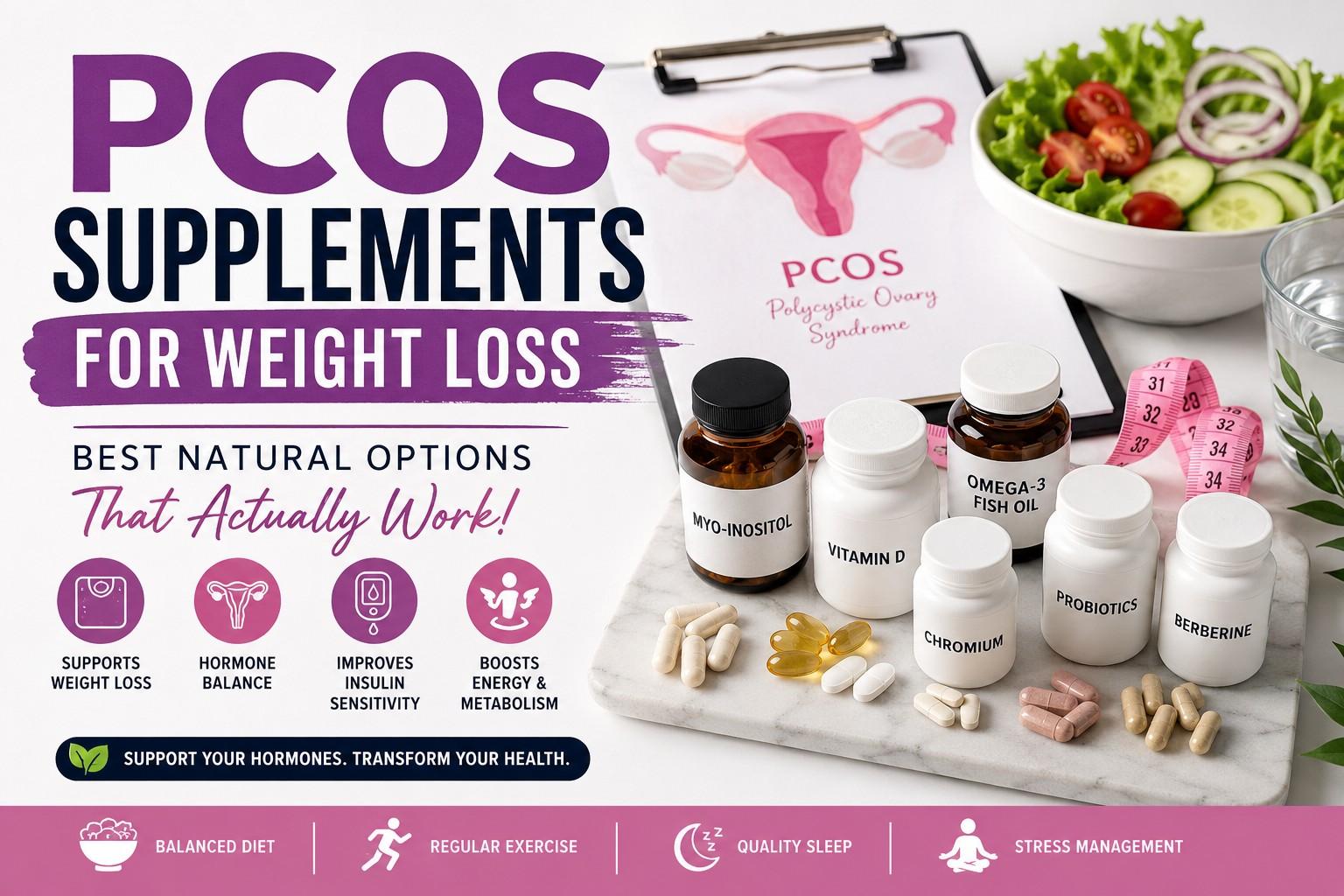
PCOS Supplements for Weight Loss
Have you been eating healthy, exercising regularly, and still struggling to lose weight? If so, you’re not alone. PCOS supplements for weight loss have become one of the most searched health topics because many women with Polycystic Ovary Syndrome (PCOS) find that traditional weight loss methods don’t always work. Hormonal imbalances and insulin resistance can make losing weight much more challenging. Fortunately, the right supplements, combined with healthy lifestyle habits, may help support your metabolism, hormone balance, and long-term weight management.
While supplements are not a cure for PCOS, they can complement a balanced diet, regular exercise, quality sleep, and medical treatment. This guide explores the most effective supplements, explains how they work, and helps you make informed decisions about your health.
What Is PCOS?
Polycystic Ovary Syndrome (PCOS) is one of the most common hormonal disorders affecting women of reproductive age. According to health experts, millions of women worldwide live with PCOS, yet many remain undiagnosed for years.
PCOS affects how the ovaries function and often causes an imbalance in reproductive hormones. Although the exact cause remains unclear, genetics, insulin resistance, inflammation, and lifestyle factors all appear to play a role.
Women with PCOS may experience different symptoms, and not everyone has the same condition or severity.
Common Symptoms of PCOS
- Irregular or missed menstrual periods
- Difficulty losing weight
- Weight gain around the abdomen
- Excess facial or body hair
- Acne or oily skin
- Thinning hair on the scalp
- Difficulty becoming pregnant
- Fatigue
- Mood changes
- Ovarian cysts in some women
Many women first discover they have PCOS after noticing irregular periods or difficulty managing their weight.
Why Does PCOS Make Weight Loss So Difficult?
One of the biggest frustrations women with PCOS face is that they often gain weight more easily while losing it more slowly. This happens because PCOS affects several systems inside the body.
Insulin Resistance
Insulin is a hormone that helps move sugar from your bloodstream into your cells for energy.
However, many women with PCOS develop insulin resistance, meaning their cells no longer respond effectively to insulin. As a result, the body produces even more insulin to keep blood sugar levels stable.
High insulin levels can:
- Increase fat storage
- Trigger sugar cravings
- Make you feel hungry more often
- Slow down fat burning
- Increase the risk of type 2 diabetes
Because of this, reducing insulin resistance is one of the most important goals for healthy PCOS weight management.
Hormonal Imbalance
Women with PCOS often produce higher-than-normal levels of androgens, commonly known as male hormones.
Elevated androgen levels can contribute to:
- Increased belly fat
- Acne
- Hair loss
- Facial hair growth
- Irregular ovulation
When hormones remain unbalanced, weight loss becomes more challenging despite healthy habits.
Slower Metabolism
Some women with PCOS burn fewer calories at rest compared to women without the condition.
A slower metabolism means:
- Fewer calories burned daily
- Easier weight gain
- Slower fat loss
- More effort needed to maintain a healthy weight
Although metabolism cannot be completely changed, healthy nutrition, strength training, and appropriate supplements may help support metabolic health.
Increased Inflammation
Research suggests that many women with PCOS experience chronic low-grade inflammation.
Inflammation may:
- Worsen insulin resistance
- Affect hormone production
- Increase fatigue
- Make weight management more difficult
Eating anti-inflammatory foods and maintaining an active lifestyle may help reduce this effect.
Can Supplements Really Help?
Many women ask whether supplements actually work for PCOS weight loss.
The answer is that supplements cannot cure PCOS, and they should never replace medical treatment. However, research suggests that certain nutrients and plant-based compounds may support healthy metabolism and improve some symptoms associated with PCOS.
The best PCOS supplements for weight loss are designed to support the body in several ways.
They may help by:
- Improving insulin sensitivity
- Supporting hormone balance
- Reducing inflammation
- Supporting healthy blood sugar levels
- Boosting energy production
- Improving metabolic function
- Supporting digestive health
However, the greatest benefits occur when supplements are combined with:
- Healthy eating
- Regular physical activity
- Good sleep
- Stress management
- Medical guidance
How to Choose the Best PCOS Supplements for Weight Loss
Not every supplement marketed for PCOS is backed by scientific evidence. Therefore, choosing high-quality products is important.
Before purchasing any supplement, consider these factors.
Look for Clinically Studied Ingredients
Choose supplements containing ingredients that have been researched for PCOS, such as:
- Myo-Inositol
- D-Chiro Inositol
- Omega-3 fatty acids
- Vitamin D
- Magnesium
- Chromium
- Probiotics
- N-Acetyl Cysteine (NAC)
These ingredients have shown potential benefits in supporting metabolic and hormonal health, although results vary from person to person.
Choose Third-Party Tested Products
Quality matters.
Look for supplements that are tested by independent laboratories for:
- Purity
- Ingredient accuracy
- Safety
- Quality standards
Third-party testing helps ensure that the product contains what the label claims.
Avoid Unrealistic Claims
Be cautious of products that promise:
- Instant fat loss
- Permanent weight loss
- Hormone “cures”
- Rapid results without diet or exercise
If something sounds too good to be true, it probably is.
Healthy weight loss takes time, especially when managing PCOS.
Speak with Your Healthcare Provider
Before starting any supplement, consult your healthcare provider, particularly if you:
- Are pregnant
- Are breastfeeding
- Take prescription medications
- Have diabetes
- Have thyroid disease
- Have liver or kidney conditions
Some supplements can interact with medications or may not be appropriate for everyone.
Benefits of Using PCOS Supplements Alongside Healthy Habits
When used responsibly, supplements may provide additional support beyond weight management.
Many women report improvements in:
- Energy levels
- Blood sugar control
- Hormonal balance
- Menstrual cycle regularity
- Digestion
- Mood
- Overall well-being
Although results vary, combining supplements with consistent healthy habits often leads to better long-term outcomes than relying on supplements alone.
Best PCOS Supplements for Weight Loss
Choosing the right PCOS supplements for weight loss can make a meaningful difference when they are combined with a healthy diet, regular exercise, and medical guidance. Although no supplement can cure PCOS, several have been studied for their ability to improve insulin sensitivity, support hormone balance, and promote overall metabolic health.
Below are some of the most researched supplements for women with PCOS.
1. Myo-Inositol and D-Chiro Inositol
Myo-Inositol and D-Chiro Inositol are among the most recommended supplements for women with PCOS. These naturally occurring compounds play an important role in insulin signaling and hormone regulation.
Many healthcare professionals recommend taking them together because they work in harmony to support metabolic and reproductive health.
Potential Benefits
- Supports healthy insulin sensitivity
- Helps regulate menstrual cycles
- Encourages regular ovulation
- May reduce androgen levels
- Supports healthy egg quality
- May assist with gradual weight management
Some clinical studies suggest that women who take Myo-Inositol consistently may experience improvements in insulin resistance and hormone balance over several months.
2. Berberine
Berberine is a natural plant compound found in several herbs. It has become increasingly popular because of its effects on blood sugar and metabolism.
Research suggests that berberine may improve insulin sensitivity in a way that is similar to certain prescription medications, although it should never replace prescribed treatment without medical advice.
Benefits of Berberine
- Supports healthy blood sugar levels
- Improves insulin function
- May reduce body fat percentage
- Supports cholesterol balance
- Encourages healthy metabolism
Important Note
Berberine can interact with medications, including diabetes medicines and blood pressure drugs. Therefore, always speak with your healthcare provider before using it.
3. Omega-3 Fish Oil
Omega-3 fatty acids are healthy fats found in fish such as salmon, sardines, and mackerel.
Because inflammation is common in women with PCOS, Omega-3 supplements may provide additional health benefits beyond weight management.
Benefits
- Supports heart health
- Helps reduce inflammation
- Supports hormone production
- May improve insulin sensitivity
- Supports healthy cholesterol levels
Omega-3 supplements may also contribute to better overall wellness when paired with a nutrient-rich diet.
4. Vitamin D
Vitamin D deficiency is surprisingly common among women with PCOS.
Low vitamin D levels have been linked to insulin resistance, fatigue, and poor metabolic health.
Potential Benefits
- Supports immune health
- Helps maintain strong bones
- Supports healthy hormone function
- May improve insulin sensitivity
- Supports mood and energy
Since too much vitamin D can be harmful, it is best to have your levels checked before taking high-dose supplements.
5. Magnesium
Magnesium is involved in more than 300 biochemical reactions throughout the body.
Many adults do not consume enough magnesium through food alone.
Benefits for Women with PCOS
- Supports healthy blood sugar regulation
- Helps improve sleep quality
- Promotes muscle relaxation
- Supports energy production
- May reduce stress-related symptoms
Better sleep and lower stress levels can indirectly support healthy weight management.
6. Chromium
Chromium is an essential trace mineral involved in carbohydrate metabolism.
Some studies suggest it may help improve how the body uses insulin.
Possible Benefits
- Supports healthy glucose metabolism
- Helps maintain steady blood sugar
- May reduce sugar cravings
- Supports healthy energy production
Although chromium may benefit some women, it works best when combined with balanced nutrition rather than used alone.
7. Probiotics
Your digestive system contains trillions of beneficial bacteria that influence digestion, immunity, and metabolism.
Researchers continue to explore the relationship between gut health and PCOS.
Benefits of Probiotics
- Supports digestive health
- Promotes a balanced gut microbiome
- May reduce inflammation
- Supports immune function
- May improve metabolic health
Eating fermented foods alongside probiotic supplements may further support gut health.
Examples include:
- Yogurt
- Kefir
- Kimchi
- Sauerkraut
- Kombucha
8. N-Acetyl Cysteine (NAC)
NAC is a powerful antioxidant that helps replenish glutathione, one of the body’s most important natural antioxidants.
Research suggests NAC may benefit women with PCOS in several ways.
Potential Benefits
- Supports insulin sensitivity
- Helps reduce oxidative stress
- Supports reproductive health
- May improve ovulation
- Supports liver function
Although promising, NAC should still be taken under medical guidance.
Which Supplement Is Best?
There is no single supplement that works for every woman.
The best choice depends on factors such as:
- Your insulin sensitivity
- Hormone levels
- Nutritional deficiencies
- Medical history
- Current medications
- Health goals
Many healthcare providers recommend individualized treatment rather than a one-size-fits-all approach.
Can You Take Multiple Supplements Together?
Some supplements are commonly used together.
For example:
- Myo-Inositol + D-Chiro Inositol
- Vitamin D + Magnesium
- Omega-3 + Probiotics
However, taking multiple supplements without professional advice may increase the risk of side effects or medication interactions.
Therefore, discuss your supplement plan with your healthcare provider before combining products.
How Long Does It Take to See Results?
Weight loss with PCOS requires patience.
While some women notice improvements in energy or blood sugar within a few weeks, meaningful changes in weight and hormone balance often take several months.
Factors affecting results include:
- Diet quality
- Exercise routine
- Sleep habits
- Stress levels
- Consistency
- Severity of PCOS
Gradual, steady progress is healthier and easier to maintain than rapid weight loss.
Possible Side Effects
Although most supplements are generally safe when used correctly, some may cause mild side effects.
Examples include:
Berberine
- Upset stomach
- Constipation
- Nausea
Magnesium
- Loose stools when taken in high doses
Fish Oil
- Fishy aftertaste
- Mild digestive discomfort
Probiotics
- Temporary bloating during the first few days
If side effects continue or become severe, stop using the supplement and contact your healthcare provider.
Safety Tips Before Buying Supplements
To protect your health, always:
- Buy from trusted brands.
- Look for third-party testing.
- Read ingredient labels carefully.
- Avoid products with unrealistic claims.
- Follow recommended serving sizes.
- Store supplements according to label instructions.
Quality supplements should support your health—not promise miracle results.
The Best Diet for PCOS Weight Loss
There is no single diet that works for every woman with PCOS. However, focusing on whole, nutrient-rich foods can help regulate blood sugar and reduce inflammation.
Eat More High-Protein Foods
Protein helps you feel full for longer and supports muscle maintenance, which is important for a healthy metabolism.
Good protein sources include:
- Eggs
- Chicken breast
- Turkey
- Fish
- Greek yogurt
- Cottage cheese
- Lentils
- Beans
- Tofu
Including protein with every meal may help reduce hunger and support healthy weight management.
Choose High-Fiber Foods
Fiber slows digestion, supports gut health, and helps keep blood sugar levels stable.
Excellent high-fiber foods include:
- Broccoli
- Spinach
- Carrots
- Apples
- Berries
- Oats
- Brown rice
- Quinoa
- Chia seeds
- Flaxseeds
Aim to include vegetables or fruits with most meals.
Include Healthy Fats
Healthy fats can help keep you satisfied and support hormone production.
Choose foods such as:
- Avocados
- Olive oil
- Almonds
- Walnuts
- Pumpkin seeds
- Sunflower seeds
- Fatty fish like salmon
Remember that healthy fats are still calorie-dense, so portion control is important.
Foods to Limit with PCOS
Although occasional treats are fine, reducing certain foods may make weight management easier.
Limit:
- Sugary drinks
- Candy
- White bread
- Pastries
- Processed snacks
- Fast food
- Fried foods
- Excess sweets
Instead, replace refined carbohydrates with whole grains whenever possible.
Exercise Tips for Women with PCOS
Regular exercise is one of the most effective ways to improve insulin sensitivity and support healthy weight loss.
Experts recommend at least 150 minutes of moderate physical activity each week.
Cardio Exercises
These activities help burn calories and improve heart health.
Examples include:
- Brisk walking
- Cycling
- Swimming
- Dancing
- Jogging
Strength Training
Strength training helps build lean muscle, which increases the number of calories your body burns at rest.
Try exercises such as:
- Squats
- Lunges
- Push-ups
- Resistance band workouts
- Dumbbell exercises
Aim for two or three strength-training sessions each week.
Low-Impact Activities
If you’re just getting started, gentle exercises are excellent choices.
These include:
- Yoga
- Pilates
- Stretching
- Light walking
Consistency matters more than intensity.
Don’t Ignore Sleep
Poor sleep can affect hormones that regulate hunger and appetite.
Adults should aim for 7–9 hours of quality sleep each night.
Helpful habits include:
- Going to bed at the same time daily
- Limiting screen time before bed
- Keeping your bedroom cool and dark
- Avoiding caffeine late in the day
Better sleep supports overall health and may make weight management easier.
Manage Stress Effectively
Long-term stress increases cortisol, a hormone that may contribute to weight gain and increased cravings.
Healthy stress-management techniques include:
- Deep breathing
- Meditation
- Journaling
- Spending time outdoors
- Reading
- Listening to calming music
Even 10–15 minutes of relaxation each day can have a positive impact.
Common PCOS Weight Loss Mistakes
Many women unknowingly make mistakes that slow their progress.
Avoid these common problems:
Skipping Meals
Skipping meals may increase hunger later in the day and lead to overeating.
Following Extremely Low-Calorie Diets
Eating too little may slow your metabolism and make it harder to maintain muscle.
Relying Only on Supplements
Supplements work best alongside healthy habits. They should not replace nutritious meals or regular exercise.
Expecting Quick Results
PCOS weight loss usually takes longer than traditional weight loss.
Focus on gradual progress instead of rapid changes.
Ignoring Medical Advice
If your symptoms worsen or you struggle to lose weight despite lifestyle changes, consult your healthcare provider. Personalized treatment may be necessary.
Frequently Asked Questions
What is the best supplement for PCOS weight loss?
Many experts recommend Myo-Inositol and D-Chiro Inositol because they have been widely studied for supporting insulin sensitivity and hormone balance. However, the best supplement depends on your individual health needs.
Can supplements cure PCOS?
No. There is currently no cure for PCOS. Supplements may help manage symptoms, but they should be used alongside healthy lifestyle habits and medical care.
How long does it take to lose weight with PCOS?
Results vary from person to person. Some women notice improvements within a few weeks, while significant weight loss often takes several months of consistent healthy habits.
Can I lose weight without supplements?
Yes. Many women successfully lose weight through balanced nutrition, regular exercise, adequate sleep, and stress management. Supplements may provide additional support but are not essential for everyone.
Should I take supplements every day?
Always follow the directions on the product label or the advice of your healthcare provider. Taking more than the recommended amount will not necessarily improve results.
Is PCOS permanent?
PCOS is a long-term condition, but many symptoms can be managed effectively through lifestyle changes, medical treatment, and regular monitoring.
Final Thoughts
Living with PCOS can make weight loss feel challenging, but it is absolutely possible with the right approach. PCOS supplements for weight loss may help support insulin sensitivity, hormone balance, and metabolic health, especially when combined with a nutritious diet, consistent exercise, quality sleep, and effective stress management.
Supplements such as Myo-Inositol, D-Chiro Inositol, Omega-3 Fish Oil, Vitamin D, Magnesium, Chromium, Probiotics, Berberine, and N-Acetyl Cysteine (NAC) have shown promise in supporting women with PCOS. However, they should never be viewed as miracle solutions or replacements for professional medical advice.
Remember that healthy weight loss is a gradual process. Instead of focusing on quick fixes, build sustainable habits that improve your overall health. Small, consistent changes often lead to the best long-term results.
With patience, the right support, and realistic expectations, you can successfully manage PCOS and move closer to your health and weight-loss goals.
Recommended Weight Loss Product
Java Burn
If you’re looking for additional metabolism support, Java Burn is a popular powdered supplement designed to be mixed with your morning coffee. It is marketed to support metabolism and energy as part of a healthy lifestyle. While Java Burn is not specifically formulated for PCOS and should not be considered a treatment for the condition, some adults choose to use it alongside a balanced diet and regular exercise to support their weight-management goals.
Note: Always consult your healthcare provider before starting Java Burn or any new supplement, especially if you have PCOS, diabetes, or take prescription medications.