



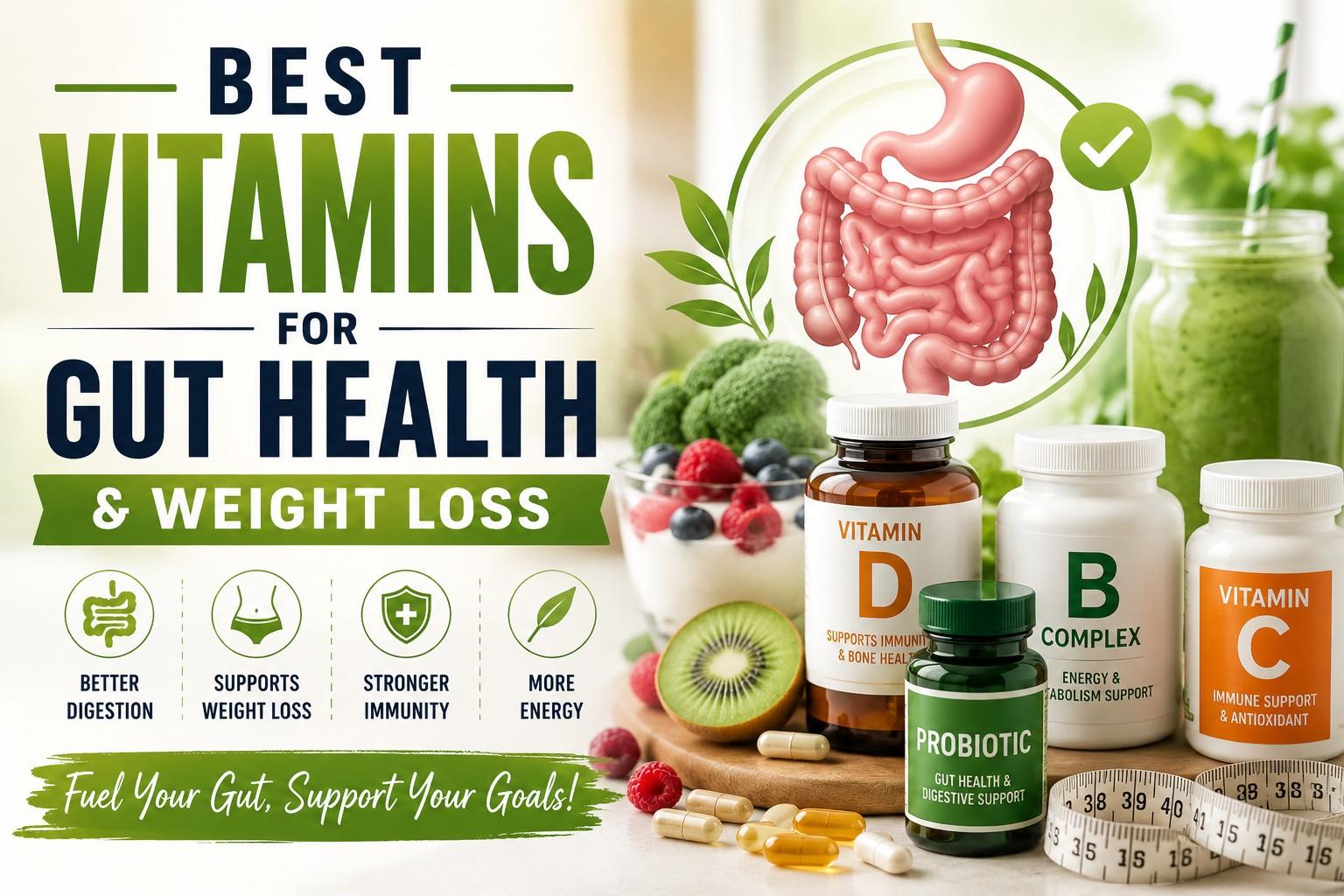
Best Vitamins for Gut Health and Weight Loss
If you’re searching for the best vitamins for gut health and weight loss, you’re not alone. More people are discovering that a healthy gut plays a key role in digestion, metabolism, and maintaining a healthy body weight. While vitamins alone won’t magically burn fat, the right nutrients can support your digestive system, improve nutrient absorption, and help you stay on track with your weight loss goals. Combined with a balanced diet and regular exercise, these vitamins may help you feel healthier, more energetic, and better equipped to lose weight naturally.
Whether you’re beginning your fitness journey or looking to improve your digestive health, choosing the right vitamins can make a noticeable difference. This guide explains which vitamins are worth considering, how they support gut health, and what to look for before buying a supplement.
Why Gut Health Matters for Weight Loss
Your gut contains trillions of bacteria, collectively known as the gut microbiome. These microorganisms help digest food, produce certain vitamins, regulate the immune system, and even influence metabolism.
When your gut bacteria are balanced, your body can:
- Digest food more efficiently
- Absorb nutrients better
- Reduce digestive discomfort
- Support healthy metabolism
- Control appetite naturally
- Improve overall wellness
On the other hand, poor gut health may contribute to bloating, constipation, inflammation, and unhealthy eating habits that make weight management more difficult.
That’s why many health experts recommend improving gut health as part of a complete weight loss plan.
Can Vitamins Help With Gut Health and Weight Loss?
Vitamins are not fat-burning pills, but they help your body perform essential functions needed for healthy weight management.
Some vitamins help:
- Convert food into energy
- Support digestive health
- Maintain immune function
- Reduce nutrient deficiencies
- Promote healthy metabolism
- Improve energy levels during exercise
If your diet lacks important nutrients, taking the right vitamin supplement may help fill nutritional gaps while supporting your health goals.
Best Vitamins for Gut Health and Weight Loss
Vitamin D
Vitamin D is one of the most researched nutrients for overall health. Many adults have low vitamin D levels without realizing it.
Benefits include:
- Supports immune function
- Helps reduce inflammation
- May support healthy metabolism
- Promotes overall digestive wellness
Good food sources include:
- Salmon
- Egg yolks
- Fortified milk
- Mushrooms
- Safe sunlight exposure
If your healthcare provider recommends supplementation, choose a high-quality Vitamin D3 product.
Vitamin B Complex
B vitamins play an important role in converting carbohydrates, proteins, and fats into usable energy.
Important B vitamins include:
- B1 (Thiamine)
- B2 (Riboflavin)
- B6
- B12
- Folate
Benefits
- Supports energy production
- Helps maintain metabolism
- Reduces tiredness
- Supports nervous system health
Many people following calorie-controlled diets benefit from ensuring they receive enough B vitamins through food or supplements.
Vitamin C
Vitamin C is best known for supporting the immune system, but it also contributes to overall digestive health.
Potential benefits
- Supports collagen production
- Acts as an antioxidant
- Helps reduce oxidative stress
- Supports healthy digestion
Excellent food sources include:
- Oranges
- Strawberries
- Kiwi
- Bell peppers
- Broccoli
Eating vitamin C-rich foods daily helps maintain overall wellness while supporting a balanced diet.
Minerals That Work Alongside Vitamins
While vitamins receive most of the attention, certain minerals are equally important for gut health and weight management.
Magnesium
Magnesium supports hundreds of chemical reactions throughout the body.
Benefits include:
- Supports muscle function
- Promotes healthy digestion
- Helps maintain regular bowel movements
- Supports quality sleep
Foods rich in magnesium include:
- Pumpkin seeds
- Almonds
- Spinach
- Black beans
- Avocados
Zinc
Zinc contributes to immune health and helps maintain the lining of the digestive tract.
Benefits include:
- Supports healthy digestion
- Promotes wound healing
- Helps maintain immune function
- Supports metabolism
Good dietary sources include lean meat, seafood, beans, nuts, and whole grains.
Don’t Forget Probiotics and Prebiotics
Although probiotics are not vitamins, they are among the most popular supplements for gut health.
Probiotics
Probiotics are beneficial bacteria that help restore balance in the digestive system.
They may help:
- Improve digestion
- Reduce occasional bloating
- Support bowel regularity
- Maintain a healthy gut microbiome
Prebiotics
Prebiotics are fibers that feed beneficial gut bacteria.
Natural prebiotic foods include:
- Garlic
- Onions
- Bananas
- Oats
- Asparagus
- Chicory root
Combining vitamins with a healthy diet rich in probiotics and prebiotics provides better long-term support than relying on supplements alone.
Foods Naturally Rich in Gut-Friendly Vitamins
Before purchasing supplements, consider adding more nutrient-rich foods to your meals.
Some excellent choices include:
- Greek yogurt
- Kefir
- Leafy green vegetables
- Citrus fruits
- Fatty fish
- Eggs
- Whole grains
- Berries
- Nuts and seeds
- Fermented vegetables
These foods provide vitamins, minerals, fiber, and other nutrients that support both gut health and healthy weight management.
How to Choose the Best Vitamins for Gut Health and Weight Loss
With so many supplements available, choosing the right one can feel overwhelming. Before you buy, look beyond flashy marketing claims and focus on quality and transparency.
Check the Ingredient List
Choose products that contain well-known vitamins and minerals without unnecessary fillers or artificial additives. A clean ingredient list is often a good sign of a quality supplement.
Look for Third-Party Testing
Independent testing helps verify that a product contains the ingredients listed on the label and meets quality standards.
Match the Supplement to Your Needs
Not everyone needs the same vitamins. For example:
- Low energy may indicate a need for B vitamins.
- Limited sun exposure may increase the need for vitamin D.
- Digestive concerns may benefit from a probiotic alongside essential vitamins.
When in doubt, consult your healthcare provider before adding new supplements to your routine.
Healthy Habits That Improve Gut Health Naturally
Supplements work best when combined with healthy lifestyle habits. These simple changes can make a significant difference over time.
Eat More Fiber
Fiber feeds beneficial gut bacteria and helps maintain regular digestion.
High-fiber foods include:
- Oats
- Apples
- Beans
- Lentils
- Chia seeds
- Vegetables
Aim to increase your fiber intake gradually and drink plenty of water.
Stay Hydrated
Water supports digestion, nutrient absorption, and bowel regularity.
Most adults benefit from drinking enough water throughout the day, especially when increasing fiber intake.
Exercise Regularly
Physical activity supports healthy digestion and helps maintain a healthy weight.
Good options include:
- Walking
- Cycling
- Swimming
- Strength training
- Yoga
Even 30 minutes of moderate exercise most days of the week can support your overall wellness.
Prioritize Sleep
Poor sleep may affect hunger hormones and digestive health.
Aim for 7–9 hours of quality sleep each night to support recovery, metabolism, and overall health.
Manage Stress
Long-term stress can affect the gut-brain connection and contribute to digestive discomfort.
Helpful stress-management techniques include:
- Meditation
- Deep breathing
- Reading
- Spending time outdoors
- Gentle stretching
Common Mistakes to Avoid
Many people expect supplements to produce instant results, but healthy weight loss takes time and consistency.
Avoid these common mistakes:
Buying Products With Unrealistic Claims
If a supplement promises rapid fat loss without diet or exercise, be skeptical. Sustainable weight loss comes from balanced nutrition, regular movement, and healthy habits.
Ignoring Your Diet
Even the best vitamins cannot replace a healthy eating plan. Focus on whole foods, lean protein, fruits, vegetables, and whole grains.
Taking More Than Recommended
More isn’t always better. Follow the recommended dosage on the label or the advice of your healthcare provider.
Forgetting Consistency
Taking vitamins occasionally is unlikely to provide the same benefits as using them consistently as part of a healthy lifestyle.
Who May Benefit From Gut Health Vitamins?
Some people may benefit more than others from adding vitamins to their daily routine.
They include:
- Adults with low vitamin intake
- People following calorie-restricted diets
- Individuals with digestive concerns
- Older adults
- Busy professionals with inconsistent eating habits
Supplements are intended to complement—not replace—a nutritious diet.
Frequently Asked Questions
Do vitamins burn fat?
No. Vitamins do not directly burn body fat. They support normal body functions, energy production, and overall health, which can help you maintain healthy habits for weight management.
Which vitamin is best for gut health?
There isn’t one single best vitamin. Vitamin D, B vitamins, and vitamin C all support different aspects of health, while probiotics and a fiber-rich diet play an important role in maintaining a healthy gut microbiome.
Can I take vitamins and probiotics together?
In many cases, yes. Many people combine vitamins with probiotic supplements as part of their daily wellness routine. If you have a medical condition or take prescription medications, ask your healthcare provider first.
How long does it take to notice results?
The timeline varies depending on your diet, lifestyle, nutrient levels, and overall health. Consistency is key, and noticeable improvements often take several weeks.
Final Thoughts
Choosing the right vitamins for gut health and weight loss can support your wellness journey by helping your body function at its best. While no supplement can replace healthy eating or regular exercise, the right combination of vitamins, minerals, probiotics, and nutritious foods may help improve digestion, increase energy, and support long-term weight management.
Focus on building sustainable habits, eating a balanced diet, staying active, and selecting quality supplements when needed. Over time, these small daily choices can contribute to better gut health and lasting results.
Related Weight Loss Product
LeanBiome – Daily Probiotic for Gut Health & Weight Management
If you’re looking for a supplement that complements a healthy diet, LeanBiome is a popular probiotic formula designed to support gut health, healthy digestion, and weight management. It contains clinically studied probiotic strains that may help maintain a balanced gut microbiome when combined with a nutritious diet and regular physical activity.
Why consider LeanBiome?
- Supports healthy gut bacteria
- Promotes digestive wellness
- Helps maintain a healthy metabolism
- Easy-to-take daily capsules
- Pairs well with a balanced weight-loss lifestyle
Note: LeanBiome is a dietary supplement, not a substitute for a healthy diet or medical treatment. Results vary from person to person, and it’s always a good idea to consult your healthcare provider before starting any new supplement.